Discover the best photography spots in Udawalawe, from elephant safaris and scenic reservoirs to stunning sunsets, birdlife, and expert tips for capturing unforgettable wildlife photos.
Shashika Sandaruwan
Tour Guide and tour article writer with 10 years of field experience
Share this article
A Complete Guide for Nature & Wildlife Photographers
Best Photography Spots in Udawalawe (2026)
Capture Sri Lanka’s Wild Beauty Through Your Lens
Whether you’re a professional wildlife photographer, an enthusiastic hobbyist, or simply someone who loves taking memorable travel photos, Udawalawe is one of the best photography destinations in Sri Lanka. Famous for its large population of wild Asian elephants, breathtaking landscapes, diverse birdlife, and stunning golden sunsets, this remarkable destination offers countless opportunities to capture unforgettable images.
Unlike many national parks where wildlife can remain hidden for hours, Udawalawe National Park provides excellent visibility thanks to its open grasslands, scattered forests, and large reservoir. These unique landscapes make it much easier to photograph animals in their natural habitat while enjoying clear, unobstructed views.
But photography in Udawalawe goes far beyond elephants. From colorful kingfishers perched beside tranquil lakes to crocodiles basking in the morning sun, misty sunrise landscapes, dramatic storm clouds, and local village life, every corner of the region tells its own story through the lens.
In this complete guide, we’ll explore the best photography spots in and around Udawalawe, the ideal times to visit each location, recommended camera gear, photography tips, and how to plan the perfect photo-focused adventure in Sri Lanka.
Why Udawalawe Is a Paradise for Photographers
Many travelers visit Udawalawe for its famous safari experiences, but photographers quickly discover that the area offers much more than wildlife sightings.
Several factors make Udawalawe one of the finest photography destinations in Sri Lanka:
One of the highest elephant populations in Asia
Wide-open landscapes with excellent visibility
Beautiful sunrise and sunset lighting
Hundreds of resident and migratory bird species
Scenic reservoirs reflecting colorful skies
Ancient trees and dramatic rock formations
Authentic rural villages and local culture
Easily accessible safari routes
Less crowded than many other wildlife destinations
Unlike dense jungle parks where animals often remain hidden behind thick vegetation, Udawalawe’s open terrain allows photographers to capture clean compositions with natural backgrounds.
Whether you’re carrying a professional DSLR, mirrorless camera, bridge camera, or even a modern smartphone, you’ll return home with incredible photographs.
Best Time for Photography in Udawalawe
Timing can completely transform a photograph.
Understanding when to visit each location helps you take advantage of the best lighting and wildlife activity.
Early Morning (6:00 AM – 9:00 AM)
This is widely considered the best time for photography.
Morning offers:
Soft golden sunlight
Pleasant temperatures
Active wildlife
Calm water reflections
Misty landscapes
Dramatic sunrises
Many elephants head toward water sources shortly after sunrise, creating fantastic opportunities for natural behavior photography.
Bird activity is also at its peak during these early hours.
Late Afternoon (3:30 PM – 6:00 PM)
The second-best photography window begins during the late afternoon.
Benefits include:
Warm golden light
Longer shadows
Beautiful sunset colors
Increased animal movement
Cooler temperatures
Many photographers prefer afternoon safaris because the soft evening light creates richer colors and more dramatic landscapes.
Avoid Midday When Possible
Between 11 AM and 2 PM:
Sunlight becomes harsh.
Shadows grow stronger.
Animals seek shade.
Colors appear less vibrant.
While wildlife can still be photographed successfully, images often require more editing afterwards.
1. Udawalawe National Park – The Ultimate Wildlife Photography Location
No photography trip to Udawalawe is complete without exploring its world-famous national park.
This is undoubtedly the region’s greatest attraction and offers countless opportunities to photograph wildlife in natural surroundings.
Wild Asian Elephants
Udawalawe is internationally recognized for its healthy elephant population.
Unlike many other parks, elephants are frequently seen:
Grazing peacefully
Crossing safari roads
Drinking from reservoirs
Bathing in muddy pools
Protecting their calves
Socializing in large family groups
Because sightings are so common, photographers can spend more time focusing on composition, lighting, and behavior rather than simply searching for animals.
One particularly rewarding experience is watching young elephants play together while adults keep a protective watch nearby.
Birds Everywhere
Bird photographers will find themselves spoiled for choice.
Some frequently photographed species include:
Painted Storks
Crested Serpent Eagles
White-bellied Sea Eagles
Indian Peafowl
Green Bee-eaters
Black-headed Ibises
Asian Openbills
Malabar Pied Hornbills
Kingfishers
Cormorants
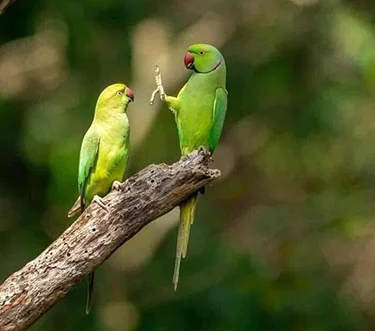
The park’s lakes, wetlands, and open grasslands provide excellent habitats for both resident and migratory birds.
Crocodiles and Water Life
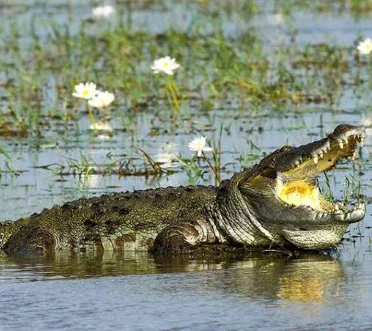
Several reservoirs and natural water bodies within Udawalawe National Park are home to large mugger crocodiles, making them one of the park’s most fascinating reptile species to photograph. These ancient predators are often seen resting along muddy riverbanks, floating almost motionless in the water, or basking in the sun to regulate their body temperature.
Photographers frequently capture them:
Resting on muddy banks
Floating quietly in the water with only their eyes visible
Hunting fish and other aquatic prey
Sunbathing along the shoreline
Entering or emerging from the water
With a little patience and a keen eye, you may also spot turtles, water monitors, otters (on rare occasions), and a variety of aquatic birds such as herons, egrets, cormorants, kingfishers, and storks sharing the same habitat. These rich wetland ecosystems provide countless opportunities to capture unique wildlife interactions and stunning nature photographs throughout the safari.
Landscapes Worth Photographing
While Udawalawe is best known for its incredible wildlife, the park’s diverse landscapes are equally captivating and offer endless opportunities for stunning nature photography. From vast open plains to peaceful reservoirs, every corner of the park provides a unique backdrop that changes beautifully throughout the day.
Photographers can capture:
Golden grasslands stretching to the horizon
Ancient trees standing majestically across the plains
Rocky outcrops and natural formations
Scenic water reservoirs reflecting the surrounding landscape
Mirror-like reflections during calm mornings
Expansive blue skies filled with dramatic clouds
Dust trails created by safari jeeps, adding a sense of adventure
Rolling hills and distant mountain ranges surrounding the park
Misty mornings that create a soft, dreamlike atmosphere
Vibrant sunsets that paint the sky with shades of orange, pink, and purple
Each season brings its own unique character to Udawalawe. During the dry season, golden grasslands and dusty safari trails create classic African-style safari scenes, while the rainy season transforms the park into a lush green paradise with vibrant vegetation, dramatic storm clouds, and beautiful reflections across the wetlands. Whether you’re photographing sweeping landscapes, peaceful lakes, or wildlife against breathtaking natural backdrops, Udawalawe offers spectacular scenery that ensures no two visits are ever the same.
Photography Tips Inside the National Park
To maximize your safari photography:
Choose a private safari jeep if possible for greater flexibility.
Wear neutral-colored clothing to avoid disturbing wildlife.
Keep your camera ready at all times.
Use burst mode for moving animals.
Focus on animal behavior rather than just portraits.
Shoot from different angles whenever possible.
Be patient. Some of the best moments happen unexpectedly.
Remember that responsible wildlife photography always comes before getting the perfect shot. Never encourage drivers to chase, block, or disturb animals for a photograph.
2. Udawalawe Reservoir – Stunning Sunrise and Sunset Reflections
Located beside the national park, the Udawalawe Reservoir is one of the most scenic places in the region and often overlooked by first-time visitors.
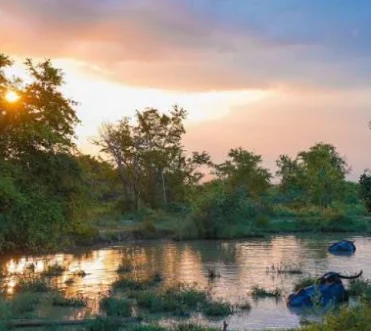
Early in the morning, the calm waters create beautiful mirror-like reflections of the surrounding hills and trees. As the day ends, the reservoir transforms into a canvas of orange, pink, and purple hues, making it an ideal location for landscape photography.
The reservoir also attracts a variety of wildlife, including elephants, water buffalo, crocodiles, and numerous bird species that come to drink or feed along the shoreline. These moments provide excellent opportunities to capture both wildlife and scenic compositions in a single frame.
For photographers who enjoy peaceful natural settings, the reservoir is a must-visit location that offers a different perspective from the safari trails inside the national park.
3. Udawalawe Elephant Transit Home – A Unique Wildlife Photography Experience
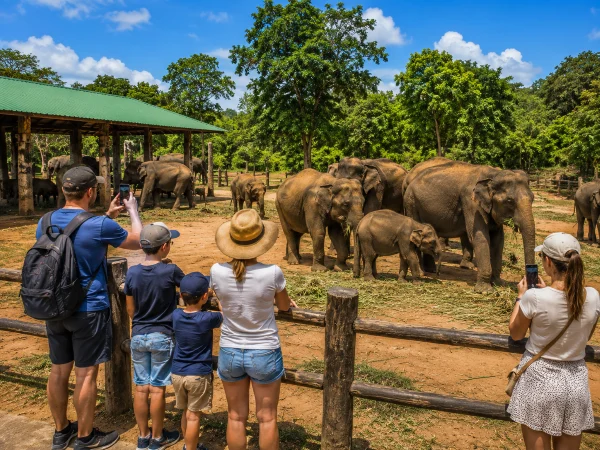
One of the most meaningful places to photograph near Udawalawe is the Udawalawe Elephant Transit Home (ETH). Unlike a zoo or elephant riding attraction, this conservation facility rescues orphaned elephant calves, rehabilitates them, and eventually releases them back into the wild. For photographers, it offers a rare opportunity to capture the early lives of these magnificent animals while supporting an important wildlife conservation project.
What Makes It Special?
During feeding sessions, visitors can observe young elephants of different ages gathering to receive milk and nutritional supplements. Watching playful calves interact with one another creates heartwarming photographic moments that are very different from the images captured during a safari.
Some of the best moments include:
Baby elephants running toward feeding stations
Calves playing together after feeding
Close-up portraits showcasing expressive eyes and trunks
Groups of elephants interacting naturally
Conservation staff caring for orphaned elephants
Since visitors observe the elephants from a dedicated viewing area, the experience remains safe while allowing the animals to behave naturally.
Photography Tips
Use a medium telephoto lens for detailed portraits.
Shoot in continuous mode to capture playful movements.
Focus on expressions and interactions rather than simply documenting the feeding.
Avoid using flash, as it can disturb the animals.
If you’re planning a visit, be sure to check the official feeding times before arriving, as elephants are only visible during these scheduled sessions.
4. Bird Photography Hotspots Around Udawalawe
While elephants often steal the spotlight, Udawalawe is also a paradise for bird photographers. The region is home to more than 200 bird species, making it one of Sri Lanka’s top destinations for birdwatching and wildlife photography.
Whether you’re an experienced birder or simply enjoy photographing colorful wildlife, you’ll find endless opportunities throughout the area.
Best Places to Photograph Birds
Wetlands Near the Reservoir
The marshes and shallow waters surrounding the reservoir attract many water birds throughout the year.
Common sightings include:
Painted Storks
Asian Openbills
Purple Herons
Grey Herons
Little Egrets
Great Egrets
Spot-billed Pelicans
Cormorants
The calm water often creates beautiful reflections, adding depth and balance to your photographs.
Forest Edges
The wooded areas around the park are excellent for spotting:
Brown Fish Owls
Crested Serpent Eagles
Changeable Hawk-Eagles
Green Bee-eaters
Indian Rollers
Scarlet Minivets
Woodpeckers
Early morning is the best time to capture birds before they become less active during the heat of the day.
Open Grasslands
The grasslands attract:
Peafowl displaying their colorful feathers
Lapwings
Bee-eaters
Drongos
Kingfishers
Patience is essential, as birds often return to the same branches or feeding areas repeatedly.
5. Scenic Countryside Around Udawalawe
Many visitors focus entirely on the national park, but the surrounding countryside offers equally beautiful photography opportunities.
The peaceful rural landscapes showcase authentic Sri Lankan village life that many tourists never experience.
You’ll find:
Traditional farming communities
Rice paddies stretching into the distance
Coconut plantations
Banana plantations
Ox carts
Village temples
Local markets
Scenic country roads
These everyday scenes tell the human story of Udawalawe and provide wonderful travel photography subjects.
Photographing local life respectfully adds variety to your travel portfolio while highlighting the culture surrounding the national park.
6. Udawalawe Dam
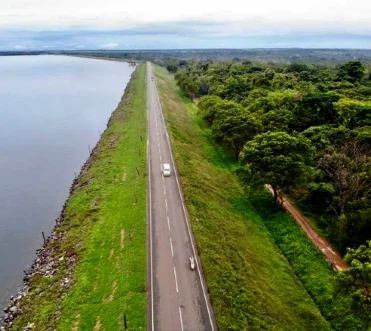
The impressive Udawalawe Dam is one of the region’s most picturesque locations and a hidden gem for landscape photographers. Built across the Walawe River, the dam not only plays a vital role in supplying water for irrigation and generating hydroelectric power but also creates the beautiful Udawalawe Reservoir, one of the area’s most iconic natural landmarks.
Thanks to its elevated position, the top of the dam offers uninterrupted panoramic views of the expansive reservoir, surrounding forests, rolling hills, and distant mountain ranges. The peaceful atmosphere and ever-changing scenery make it an excellent location for photographers looking to capture the natural beauty of Udawalawe beyond its famous wildlife.
From the dam, photographers can capture:
The vast Udawalawe Reservoir stretching across the landscape
Rolling hills and distant mountain ranges
Spectacular sunrises and colorful sunsets
Mirror-like reflections on calm water
Flocks of birds flying gracefully across the reservoir
Dramatic cloud formations during changing weather
Fishermen and local boats adding a cultural touch to the scenery
Elephants, buffalo, and other wildlife occasionally appearing along the shoreline
Beautiful golden-hour lighting that enhances every landscape photograph
The dam is particularly breathtaking during the early morning and late afternoon when the soft golden light transforms the surrounding scenery into a photographer’s dream. Whether you’re capturing wide panoramic landscapes, peaceful waterscapes, or wildlife against a scenic backdrop, Udawalawe Dam provides countless opportunities to create stunning photographs. It is also a wonderful place to pause, enjoy the tranquil surroundings, and appreciate the natural beauty that makes the Udawalawe region so special.is location especially appealing for landscape photographers.
7. Sunrise Photography Along Safari Routes
Few experiences compare to watching the sunrise over Udawalawe.
As the first rays of sunlight illuminate the grasslands, the landscape comes alive.
Golden light filters through scattered trees while elephants begin their morning routines. Birds become active, mist rises from the wetlands, and long shadows create dramatic compositions.
Some favorite sunrise subjects include:
Elephants silhouetted against the rising sun
Dew-covered grass
Safari vehicles in the distance
Birds taking flight
Water reflections
Morning mist
For the best results, arrive before sunrise so you’re ready when the light begins to change.
8. Sunset Photography Around Udawalawe
Sunsets in Udawalawe are equally spectacular.
Warm orange and golden light transforms the landscape into a photographer’s dream.
Ideal sunset subjects include:
Elephants walking toward water
Buffalo grazing
Palm tree silhouettes
Birds returning to roost
Reflections across the reservoir
Colorful evening skies
Golden hour typically lasts for about an hour before sunset, providing soft, flattering light for both wildlife and landscape photography.
Camera Gear Recommended for Udawalawe
You don’t need the most expensive equipment to take beautiful photographs in Udawalawe.
DSLR or Mirrorless Camera
A camera with interchangeable lenses offers the greatest flexibility, especially for wildlife photography.
Telephoto Lens (200–600 mm)
A telephoto lens allows you to photograph animals from a safe distance while capturing detailed close-ups.
Standard Zoom Lens (24–70 mm)
Perfect for:
Landscapes
Villages
Safari vehicles
Group photos
Scenic viewpoints
Wide-Angle Lens
Ideal for:
Sunrise landscapes
Reservoir views
Dramatic skies
Large elephant herds
Tripod
Useful for:
Sunrise photography
Sunset photography
Low-light conditions
Landscape compositions
Tripods are generally not practical during safari drives because the vehicle is constantly moving, but they are valuable for photography around the reservoir and other stationary locations.
Extra Batteries and Memory Cards
Wildlife photography often involves taking hundreds or even thousands of images in a single day.
Carry:
Two or three spare batteries
Multiple high-speed memory cards
A portable charger if possible
Running out of storage during a safari is every photographer’s nightmare.
Smartphone Photography in Udawalawe
Modern smartphones are surprisingly capable and can produce stunning images with the right techniques.
To improve your results:
Clean your camera lens before shooting.
Tap to focus on your subject.
Use HDR mode for landscapes.
Avoid excessive digital zoom.
Capture photos during golden hour.
Hold the phone steady or use a small tripod.
Panoramic mode is particularly effective for photographing the vast grasslands and reservoir scenery.
Wildlife Photography Tips for Capturing Incredible Images in Udawalawe
Wildlife photography is about much more than having an expensive camera. Patience, observation, timing, and respect for nature often make a far bigger difference than the equipment you use.
Udawalawe provides excellent opportunities to photograph wildlife because many animals behave naturally in the park’s open landscapes. Instead of rushing to take as many photos as possible, spend time observing your subjects. You may witness elephants communicating, birds hunting for food, or crocodiles basking peacefully along the water’s edge.
The more patient you are, the better your photographs will be.
Camera Settings for Different Wildlife
Every animal moves differently, so adjusting your camera settings can significantly improve your results.
Photographing Elephants
Elephants are relatively slow-moving, making them ideal subjects for photographers of all experience levels.
Recommended settings:
Shutter Speed: 1/500 sec or faster
Aperture: f/5.6 to f/8
ISO: Auto ISO or 100–800 depending on lighting
Focus Mode: Continuous Autofocus (AI Servo/AF-C)
Try photographing elephants from different perspectives. Full-body shots showcase their size, while close-up portraits can capture the texture of their skin, expressive eyes, and unique tusks.
If you’re lucky enough to witness a herd crossing a road or gathering around a waterhole, use burst mode to capture multiple frames of the action.
Photographing Birds
Birds require faster camera settings because they can move unpredictably.
Recommended settings:
Shutter Speed: 1/1600 sec or faster
Aperture: f/5.6
ISO: Auto
Continuous Autofocus
If a bird is perched, take your time to compose the shot. If it’s flying, keep tracking it through your viewfinder and shoot continuously for the best chance of capturing a sharp image.
Photographing Crocodiles
Crocodiles usually remain still for long periods, allowing photographers to experiment with composition.
Focus on:
Reflections in the water
Close-up textures
Dramatic lighting
Low-angle perspectives from the safari vehicle
Avoid photographing only the entire animal. Close-up images of the eyes or scales often create more striking photographs.
Photographing Landscapes
Landscape photography in Udawalawe is equally rewarding.
For the best results:
Use a narrow aperture (f/8 to f/11)
Keep ISO low
Shoot during sunrise or sunset
Include foreground elements such as trees, rocks, or wildlife to add depth
The changing light throughout the day transforms the scenery, so the same location can look completely different from morning to evening.
Composition Tips That Make Photos Stand Out
A technically correct photo isn’t always a memorable one. Good composition helps tell a story and creates stronger visual impact.
Use the Rule of Thirds
Instead of placing your subject in the center of the frame, position it slightly off-center. This often creates a more balanced and engaging image.
Include the Environment
Don’t always zoom in tightly on wildlife. Showing an elephant against the vast grasslands or beneath a dramatic sky helps viewers appreciate the scale and beauty of its habitat.
Watch the Background
A cluttered background can distract from your subject. Before taking the shot, check for unwanted branches, vehicles, or other distractions.
Capture Behaviour
Photos become far more compelling when they show animals doing something rather than simply standing still.
Look for moments such as:
Elephants spraying water
Birds catching fish
Deer grazing
Buffalo cooling off in mud
Mothers caring for their young
These natural interactions create images that tell a story.
Ethical Wildlife Photography
Great wildlife photography always respects the animals and their environment.
When visiting Udawalawe National Park:
Never ask your safari driver to chase or corner wildlife.
Maintain a safe distance from all animals.
Avoid loud noises that may disturb wildlife.
Never feed wild animals.
Do not use flash photography near wildlife.
Follow all park regulations and the instructions of your guide.
The welfare of the animals should always come before getting the perfect photograph.
Responsible photographers help protect the very wildlife they have come to admire.
Common Photography Mistakes to Avoid
Even experienced photographers can make simple mistakes. Being aware of them can greatly improve your results.
Arriving Too Late
Wildlife is most active during the cooler hours of the day. Arriving after sunrise means you may miss some of the best lighting and animal activity.
Taking Too Many Similar Photos
Instead of capturing dozens of nearly identical images, experiment with different angles, zoom levels, and compositions.
Ignoring the Background
Always check what’s behind your subject. A clean, natural background often makes a photograph much stronger.
Forgetting to Enjoy the Experience
It’s easy to become so focused on photography that you forget to appreciate the incredible wildlife around you. Take a few moments to simply watch and enjoy the experience before reaching for your camera.
Dry Season vs. Wet Season Photography
Each season offers unique photographic opportunities.
Dry Season
Typically, the dry months provide:
Easier wildlife spotting
Concentrated animal activity around water sources
Clear blue skies
Better road conditions
Warm golden lighting
This is often considered the best time for first-time visitors interested in wildlife photography.
Wet Season
The rainy months transform Udawalawe into a lush green paradise.
Advantages include:
Vibrant landscapes
Dramatic storm clouds
Beautiful reflections
Fresh vegetation
Fewer tourists
Unique atmospheric lighting
Although wildlife may be more dispersed, photographers often capture stunning landscape images during this season.
A Suggested One-Day Photography Itinerary
If your main goal is photography, planning your day carefully will help you make the most of your visit.
5:30 AM – Sunrise
Arrive near the entrance to Udawalawe National Park before sunrise. The soft morning light is ideal for landscape photography and the first wildlife sightings of the day.
6:00 AM to 10:00 AM – Morning Safari
Join an early morning safari to photograph elephants, birds, crocodiles, deer, buffalo, and other wildlife while they are most active.
10:30 AM – Breakfast Break
Relax at a nearby café or hotel, review your images, recharge your batteries, and prepare your equipment for the afternoon.
11:30 AM – Elephant Transit Home
Visit the Udawalawe Elephant Transit Home during a scheduled feeding session to capture heartwarming images of orphaned elephant calves.
1:00 PM – Explore the Countryside
Spend the early afternoon photographing rice fields, local villages, roadside scenery, and rural life around Udawalawe.
4:00 PM – Reservoir and Dam
Head to the Udawalawe Reservoir or the dam to photograph birds, landscapes, reflections, and the warm golden light of the late afternoon.
5:30 PM – Sunset
End the day by capturing the stunning sunset over the reservoir or open grasslands, creating a perfect conclusion to your photography adventure.
Editing Your Photos
Post-processing helps bring out the best in your images while maintaining a natural appearance.
Simple adjustments can include:
Fine-tuning exposure
Enhancing contrast
Recovering highlight and shadow details
Adjusting white balance
Applying moderate sharpening
Cropping for stronger composition
Avoid excessive editing or oversaturation, as natural colours often best reflect the beauty of Udawalawe.
Photography Safety Tips for Your Udawalawe Adventure
Capturing incredible photographs is exciting, but your safety and the well-being of the wildlife should always come first. A few simple precautions will help ensure a safe and enjoyable photography experience.
Protect Your Camera Equipment
Udawalawe can be dusty, especially during the dry season. Carry a protective camera bag and use a lens cloth to clean your equipment regularly. If you’re changing lenses, do so inside your vehicle whenever possible to prevent dust from entering the camera.
Stay Hydrated
Photography safaris often last several hours under the tropical sun. Bring plenty of drinking water, wear a hat, and apply sunscreen before setting out.
Dress Comfortably
Wear lightweight, breathable clothing in neutral colours such as green, brown, or beige. Comfortable walking shoes are also recommended if you plan to explore areas outside the safari.
Respect Wildlife
Always remain inside your safari vehicle unless instructed otherwise by your guide. Never attempt to approach animals for a closer photograph. Wild animals can behave unpredictably, and maintaining a respectful distance helps keep both visitors and wildlife safe.
Keep Noise to a Minimum
Speaking quietly and avoiding sudden movements increases your chances of observing natural animal behaviour while ensuring you do not disturb the surrounding environment.
Final Thoughts
Udawalawe is far more than just a safari destination. It is a place where every sunrise paints the landscape with golden light, where wild elephants roam freely across open grasslands, and where every turn offers a new opportunity to capture nature at its finest.
Whether you’re photographing majestic elephants, colourful birds, tranquil reservoirs, dramatic sunsets, or the everyday charm of rural Sri Lanka, Udawalawe provides endless inspiration for photographers of every skill level.
The beauty of the region lies not only in its remarkable wildlife but also in the peaceful atmosphere, diverse landscapes, and authentic experiences that make every visit unique. With a little patience, the right timing, and a sense of adventure, you’ll return home with photographs and memories that last a lifetime.
If you’re planning your photography journey to Udawalawe, Udawalawe Rides is here to make your experience as smooth and enjoyable as possible. From reliable airport and hotel transfers to private taxi services and expertly arranged safari tours, we help you spend less time worrying about logistics and more time capturing unforgettable moments.
Book your transportation and safari with Udawalawe Rides today, and discover why Udawalawe remains one of Sri Lanka’s most rewarding destinations for wildlife and nature photography.
What is the best time of year for photography in Udawalawe?
Udawalawe offers excellent photography opportunities throughout the year. However, the dry season generally provides better wildlife visibility as animals gather around water sources. Early morning and late afternoon remain the best times for photography regardless of the season.
Do I need an expensive camera?
Not at all. While professional cameras provide greater flexibility, many visitors capture stunning images using mirrorless cameras, bridge cameras, and even modern smartphones with good zoom capabilities.
Is a private safari better for photographers?
Yes. A private safari allows you to spend more time observing wildlife, wait for the perfect shot, and position the vehicle more effectively without being rushed by other passengers
Can I use a drone in Udawalawe National Park?
No. Drone photography is generally prohibited inside Udawalawe National Park without special permission from the relevant authorities. Always check current regulations before bringing a drone to the area.
Which animals are easiest to photograph?
Asian elephants are undoubtedly the easiest wildlife subjects to photograph in Udawalawe. Visitors also regularly encounter water buffalo, spotted deer, crocodiles, monkeys, peacocks, and numerous bird species.
How long should I spend in Udawalawe for photography?
A full day allows you to experience sunrise, a morning safari, the Elephant Transit Home, local landscapes, and sunset. Dedicated wildlife photographers may wish to stay two or three days to increase their chances of capturing different lighting conditions and wildlife behaviour.
Is Udawalawe suitable for bird photography?
Yes. With more than 200 recorded bird species, Udawalawe is one of Sri Lanka’s best destinations for birdwatching and bird photography.
Can Udawalawe Rides arrange photography-friendly safaris?
Yes. Udawalawe Rides can help arrange comfortable transportation and safari experiences, making it easy for photographers to enjoy a smooth and memorable visit to Udawalawe National Park.
Experience Udawalawe National Park with our exclusive safari packages! Choose from 4, 7, or 10-hour tours, guided by experts, and explore Sri Lanka’s incredible wildlife up close in a private 4×4 jeep.